
Make the right choice. Start with confidence. Settle in with support. Move forward with a clear path.

Over the past two years, the most noticeable change among families considering overseas education has not been greater anxiety, but deeper questions.
In the past, the first concern was often simply, “Can my child get in?” Today, more families are asking what comes next:
What kind of education system does the school belong to?
How is the qualification recognised?
Will the student be able to adapt after moving abroad?
And after graduation, can this path continue into the next stage?
This reflects a broader shift in how families think about overseas education.
Studying abroad is no longer simply about submitting an application and receiving an offer. Before that comes decision-making. In the middle come relocation, settling in and adaptation. After that come academic outcomes and future progression. And in many cases, the journey extends even further into family arrangements and longer-term planning.
Many organisations describe their services as “one-stop”. But what families truly value is rarely the number of services on offer.
What matters is whether, from the moment they begin considering overseas education to the point where the journey is running smoothly, someone has already anticipated the areas most likely to go wrong — and can step in when support is needed.
Some families struggle with the decisions at the beginning.
Some become overwhelmed once an offer has been secured and the move becomes real.
For others, the greatest challenge only begins after arrival, when the student has to adapt to a new academic and living environment.
That is why the real value of a one-stop model is not in placing more services under one roof.
It is in connecting the stages that are most likely to become fragmented, and turning them into one continuous path.
This is the question SagePaths Group is trying to answer.
Rather than simply providing “one-stop services”, our aim is to make a journey that can easily become disconnected feel more structured, supported and secure from one stage to the next.

Which country, institution and pathway best fit the student?
Are the family’s budget, expectations and level of commitment realistically aligned?
Should the student aim higher from the outset, or prioritise a more secure pathway first and build from there?
These may appear to be simple questions of choice. In reality, they shape many of the decisions that follow over the next several years.
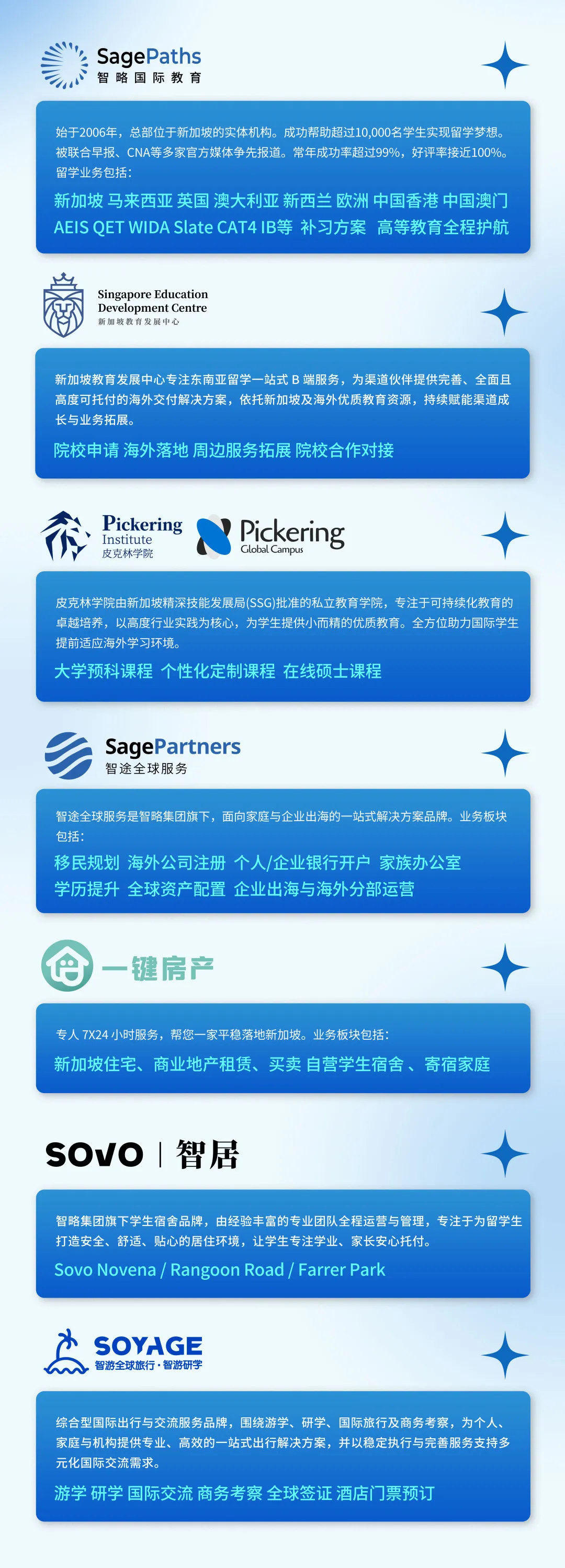
This is where SagePaths Global Education, one of the Group’s core education businesses, plays an important role.
From international-school transitions at a younger age to undergraduate, postgraduate and doctoral applications across different countries and education systems, the real value lies not simply in submitting applications, but in helping families understand why a particular pathway makes sense in the first place.
Many families today do not lack information. What they often lack is someone who can turn information into judgement, judgement into priorities, and priorities into action.
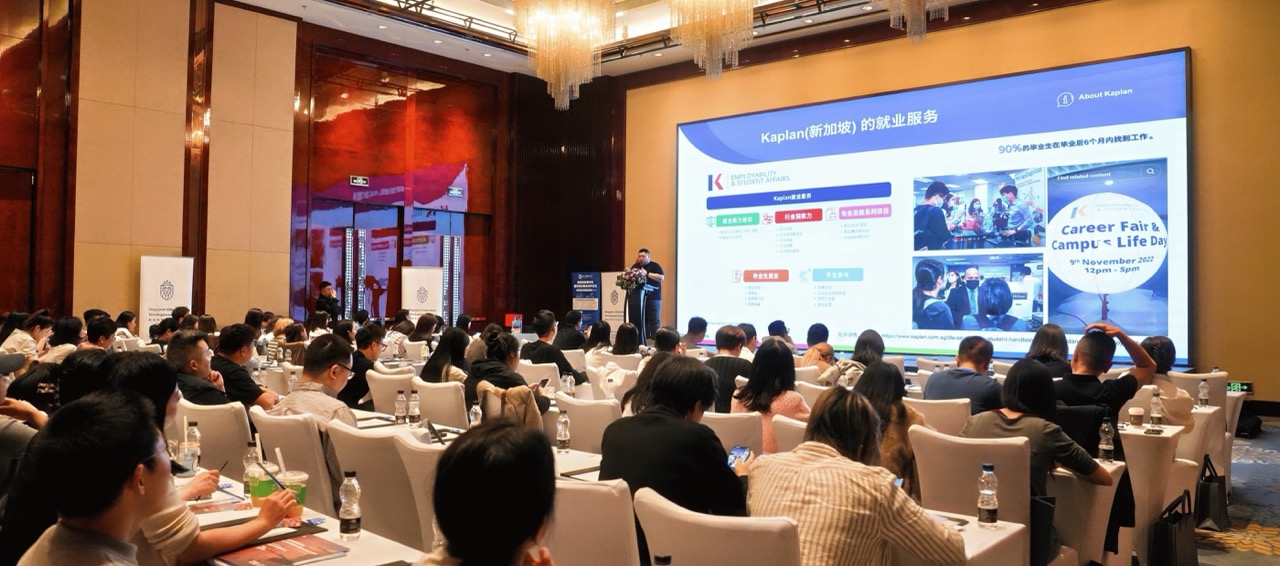
Behind this front-line planning, platforms such as the Singapore Education Development Centre (SEDC) provide another layer of support through institutional partnerships and education resources.
Its role is not simply to present schools and programmes to families. It is to continuously strengthen institutional knowledge, programme understanding and partnership depth behind the scenes — so that the advice given to families does not merely sound right, but can stand up to meaningful comparison.

▸ How should the visa process be handled?
▸ Where will the student live after arrival?
▸ When is the right time to enter the country?
▸ What needs to be arranged first after landing?
▸ How can the first week of daily life settle into a stable routine?
These questions may not sound like “education issues”, but they often have a direct impact on how smoothly a student adjusts in the weeks and months that follow.
That is why services such as SOVO Student Living, One Property Network, and other pre-departure and arrival support solutions are not treated as add-ons within the SagePaths Group ecosystem.
On the surface, they help with where to stay and how to arrive.
In practice, they address one of the most underestimated stages of the overseas education journey:

When living arrangements are stable, daily life becomes more stable. And when daily life has structure, students have more space to focus on learning and adjustment.
When a student is struggling, the problem is not always the school itself. In many cases, the difficulty begins earlier — because everyday life was never properly settled from the start.
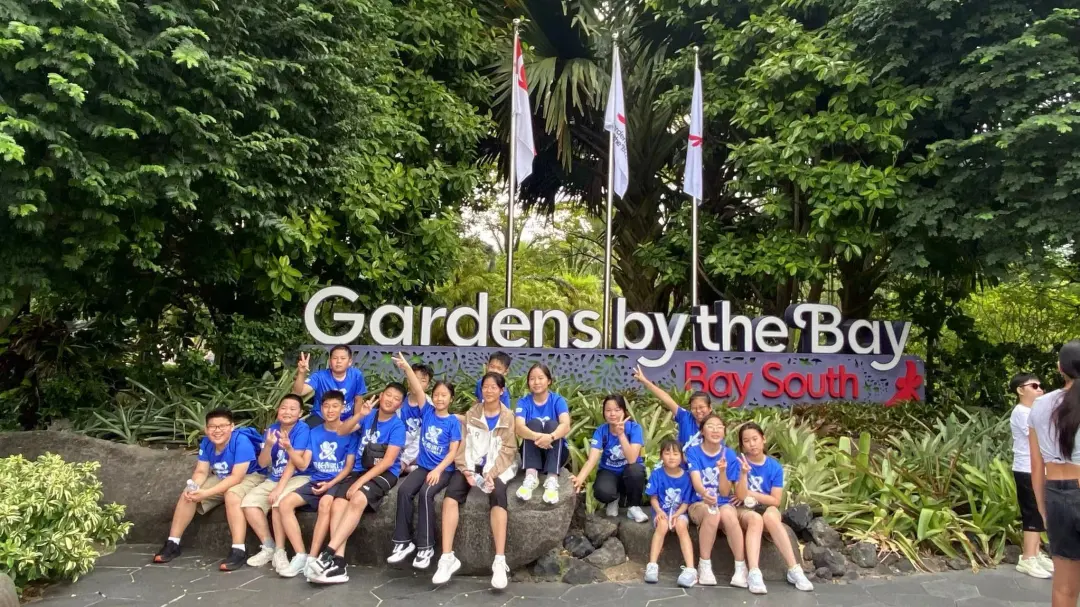
The same logic applies to programmes such as SOYAGE. On the surface, they support travel, educational journeys and international exchange. In practice, they respond to a broader need:
International education does not happen only in the classroom. It also takes place as students enter unfamiliar environments, build new routines, and gradually turn experience into understanding and judgement.
So when a student steps into a completely new environment, simply arriving is not enough.
What matters is having the right support to help them enter the experience, understand the world around them, and begin to find their place within it.
The second stage SagePaths helps connect is the transition from receiving an offer to settling in — the point where everyday life is most likely to lose structure.

Once students begin studying abroad, the challenges they face rarely come from a single course alone.
The pace of lectures, heavier reading loads, academic writing requirements, classroom participation, time management, daily routines and emotional adjustment can all become demanding at the same time.
These pressures often show up first in academic performance. But when grades begin to fall, the underlying issue is often no longer purely academic. More often, the student’s overall rhythm — how they study, live and adapt — has started to lose balance.
This is why SagePaths Group places increasing importance on post-arrival support.
Services such as academic support, course guidance and transition assistance are not simply forms of tutoring. Their purpose is to help students regain stability across study habits, academic expectations, daily routines and progress towards graduation.
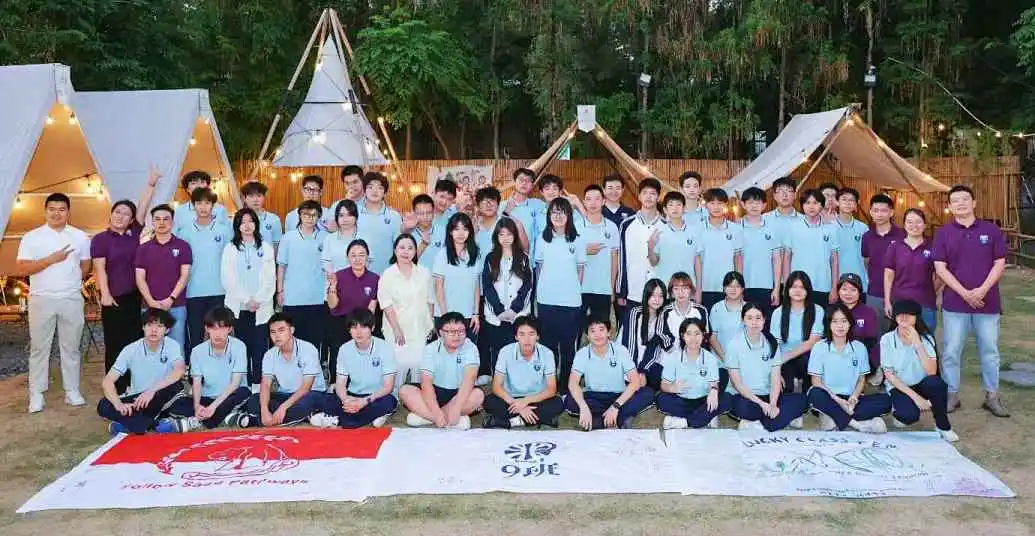
In this stage of the journey, support from Pickering Eduhub and the SagePaths Academic Support & Guidance Programme goes far beyond teaching assistance alone.
What they truly help bridge is the gap between being able to study abroad and being able to progress steadily once there — a stage that is often the most demanding, and where timely support can make the greatest difference.
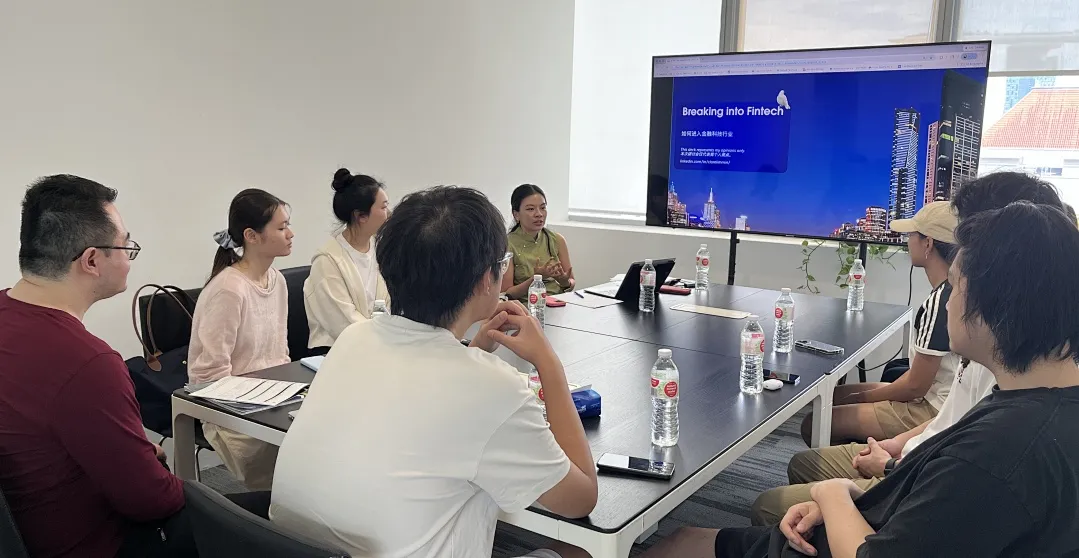
In the past, this was often where families experienced the biggest gap: support was available throughout the application process, but once the student actually moved abroad, that continuity could suddenly disappear.
This is precisely the gap SagePaths Group aims to address — a stage that is often overlooked, yet can have a significant impact on everything that follows.
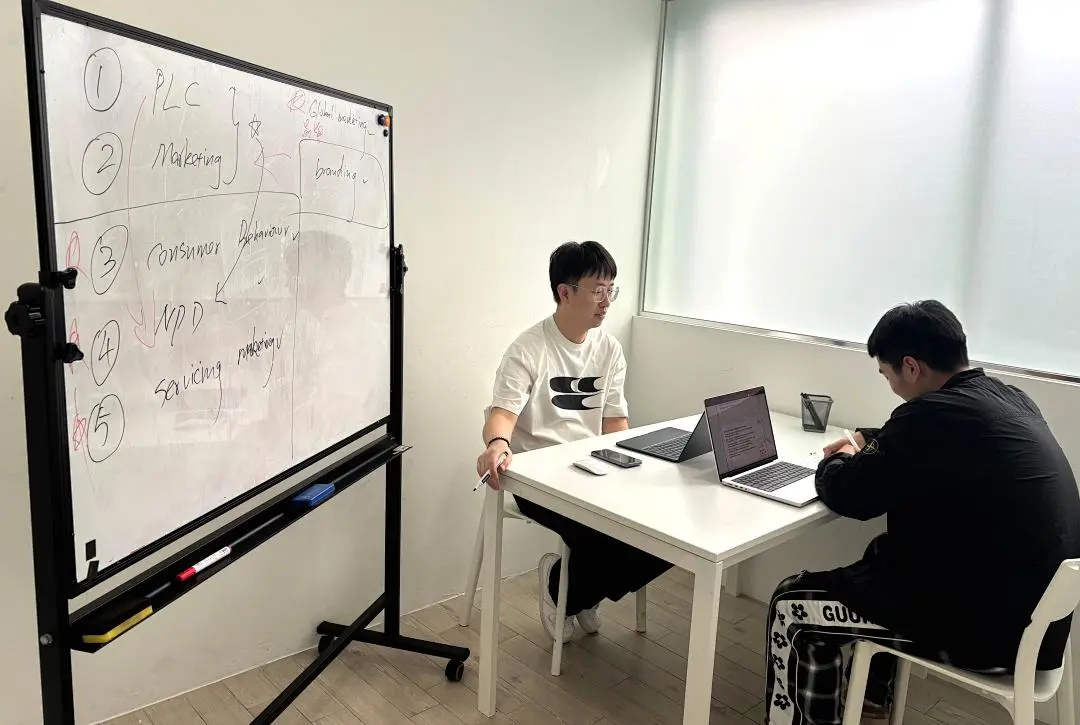
The third stage SagePaths helps connect is the period after departure — when students are most at risk of losing momentum as they adapt academically and personally.

家长方面:
要不要过去陪伴,家庭后续怎么安排生活与身份,学生毕业之后是在当地发展、继续升学,还是回国?
企业层面:
有没有海外布局的可能,资产、生活与教育,是不是需要重新放在一起考虑?
这些问题,一开始看似离申请很远,真正往下走时,却会一件件浮上来。
这也是为什么,「智途全球服务」这些板块在智略集团里并不是“另外增加的业务”,而更像是留学之后自然长出来的下一段路。
因为现实里,教育从来不是独立存在的。它会牵动学生,也会牵动家庭对未来的重新安排。
真正成熟的一站式,不只是替学生解决眼前的问题,也要能在家庭开始往更长的时间维度思考时,继续把路接下去。
所以智略集团接住的第四段路,是教育之后自然延伸出来的家庭与未来安排。

如果只看业务名称,智略集团覆盖的内容确实很多:国际教育、院校合作、学业支持、住宿安顿、全球服务、研学出行。
但这套体系真正有价值的地方,从来不在“做了多少”,而在于它把留学路上最容易断开的几段,重新接成一条线:
出发前的判断 ⇢ Offer之后的安顿 ⇢ 出国以后的适应 ⇢ 教育延伸出的家庭与未来安排
对很多家庭来说,真正疲惫与增加决策成本的,从来不是事情本身有多复杂,而是每走一步,都要重新找人、重新判断、重新补位。
所以在今天这样一个不断变化的留学环境里,家庭真正缺的,早就不只是“多一个信息来源”,而是一套更完整、更稳定、也更能陪着往下走的支持。
正如智略集团的“一站式”服务,真正回答的从来不是“我们有什么业务”,而是——
当一个学生准备走向世界时,这条路上最关键的地方,有没有人能真正看见,并且接得住。
以及让家庭少一点来回折返,少一点临时补救,也少一点“前面刚做好,后面又要推翻重来”的消耗。
如果留学过程中,原本分散的问题能够被提早看见、被认真承接、被重新放回同一条路里理解,那么“一站式”才不会只是一个概念,而会慢慢变成一条更稳、更长、也更让人安心的路。