
Understand the market. Strengthen your CV. Build the right connections.


Understand the market. Strengthen your CV. Build the right connections.
“Don’t wait until graduation to start your job search.”
Finding a job in Singapore can feel overwhelming.
The challenge is not simply a lack of effort, nor is it only about whether a student holds local status. More often, the pressure comes from fragmented information, unclear direction, and not knowing where to begin with a CV, LinkedIn or Coffee Chat.
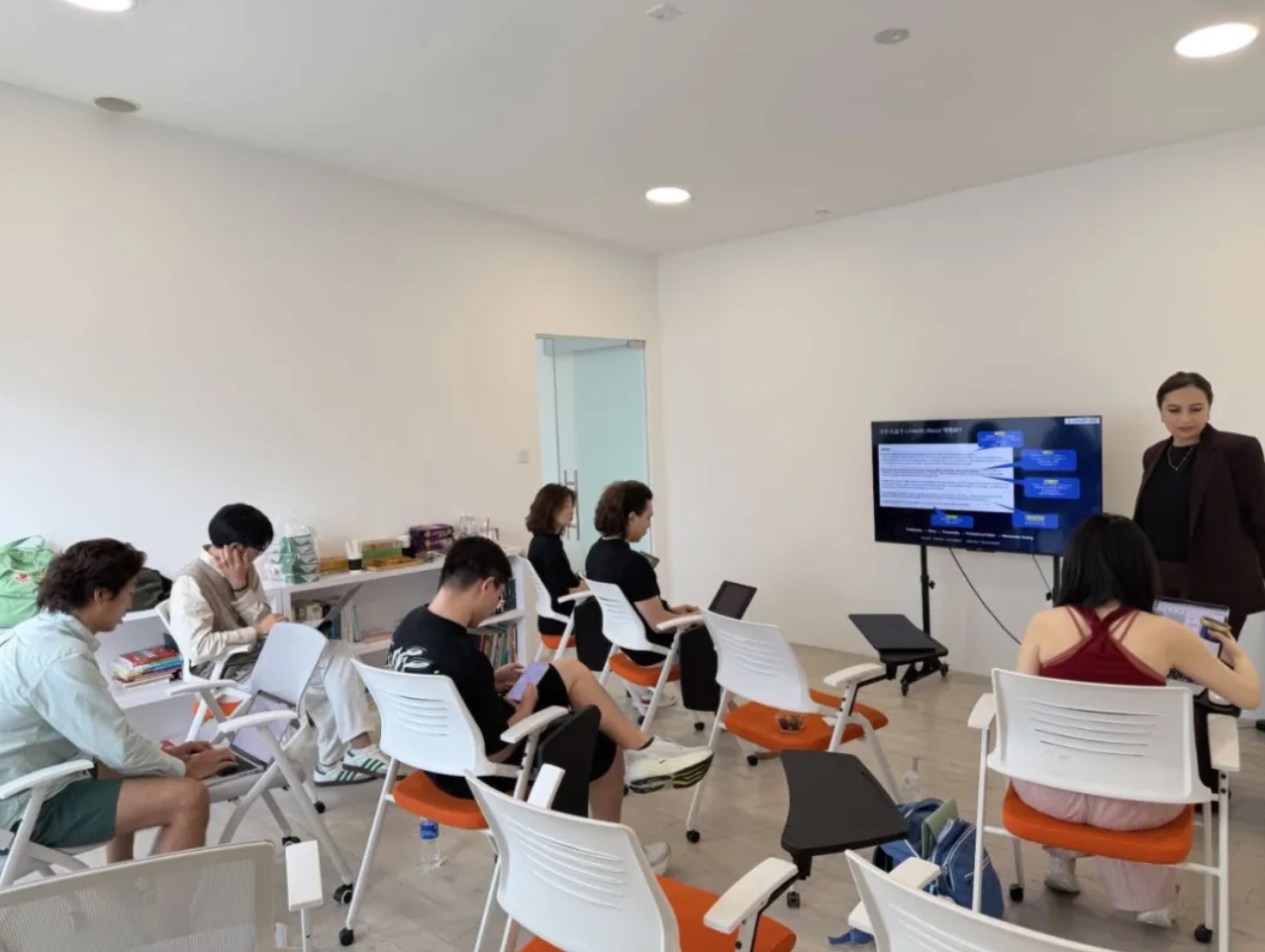
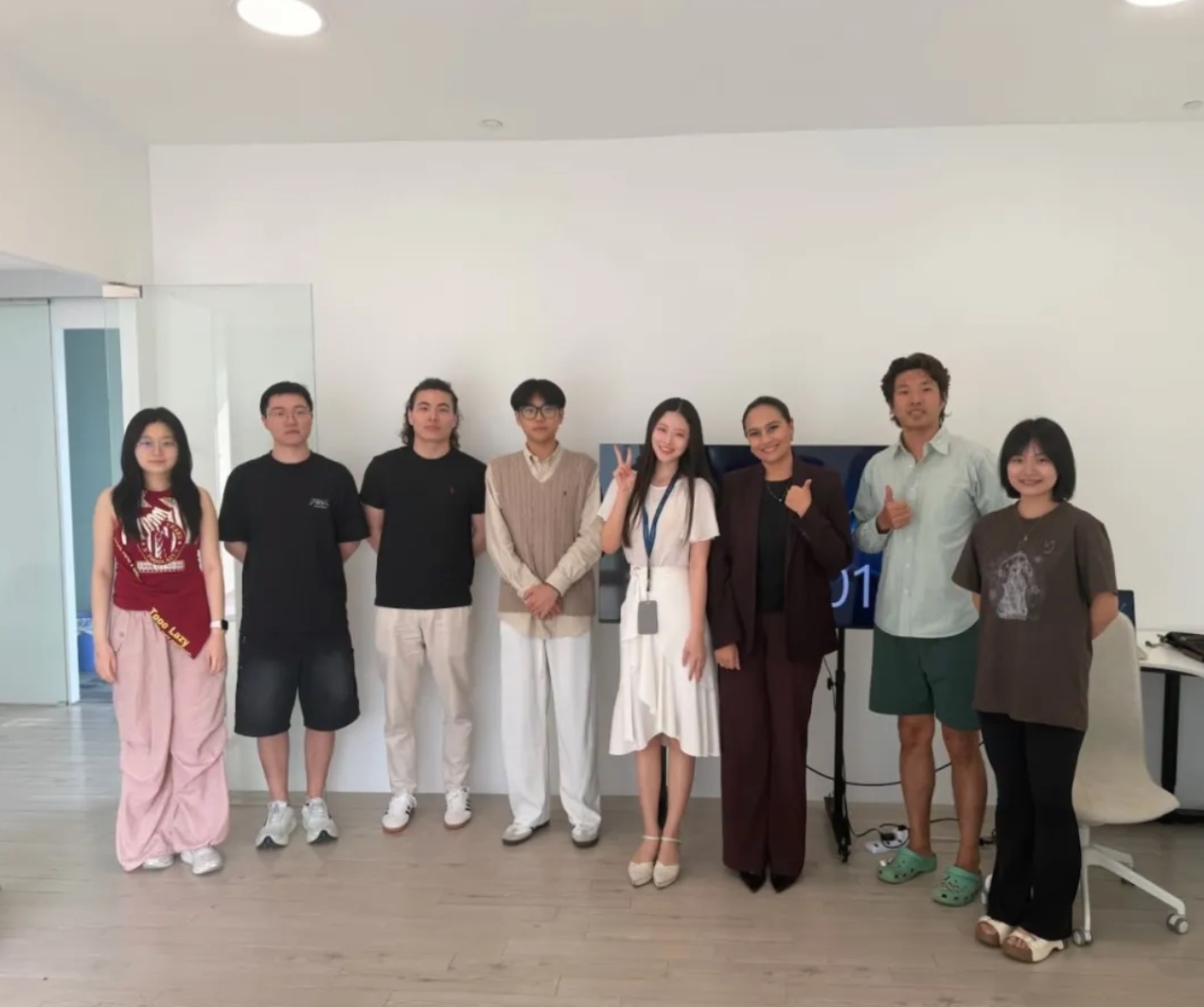
On 20 September, SagePaths Global Education hosted a practical Singapore Career Workshop designed to turn that uncertainty into action.
The morning focused on 2026 Singapore employment trends and insider opportunities, recruiter-led CV analysis, and a 30-minute live CV rewrite. In the afternoon, students worked through an International Student Career Case Challenge, LinkedIn networking exercises, Coffee Chat role-play and a six-month job search action plan.
Rather than treating each activity as a separate skill, the workshop followed one clear progression:
Understand the market → Position your experience → Build relevant connections → Practise real conversations → Turn goals into an action plan
The aim was simple: not just to tell students what they should do, but to help them complete the first steps in the room.
The first rule of job hunting: do not apply blindly to hundreds of roles.
Hiring cycles, job availability and employer preferences vary significantly across industries. Companies also evaluate interns, fresh graduates and experienced candidates very differently.
The workshop began with an overview of 2026 employment trends and opportunities in Singapore, helping students better understand changes across industries, hiring demand and recruiter expectations.
For international students in particular, the goal was to look realistically at where opportunities exist and what employers are actually looking for.
When the direction is unclear, simply increasing the number of applications rarely solves the problem.
Students first need to assess:
Which industries and roles are realistic targets?
What skills and experience do those roles require?
Where are the gaps in their current profile?
Market information should not create more anxiety. Its value lies in helping students narrow their focus and spend time preparing for opportunities that genuinely fit.
Know where you stand before deciding where to go next.
Many students have plenty of experience on their CVs, yet recruiters still struggle to see what makes them stand out.
The issue is often not a lack of experience, but the way it is presented.
Descriptions such as “participated in” or “responsible for” say very little about individual contribution or results.
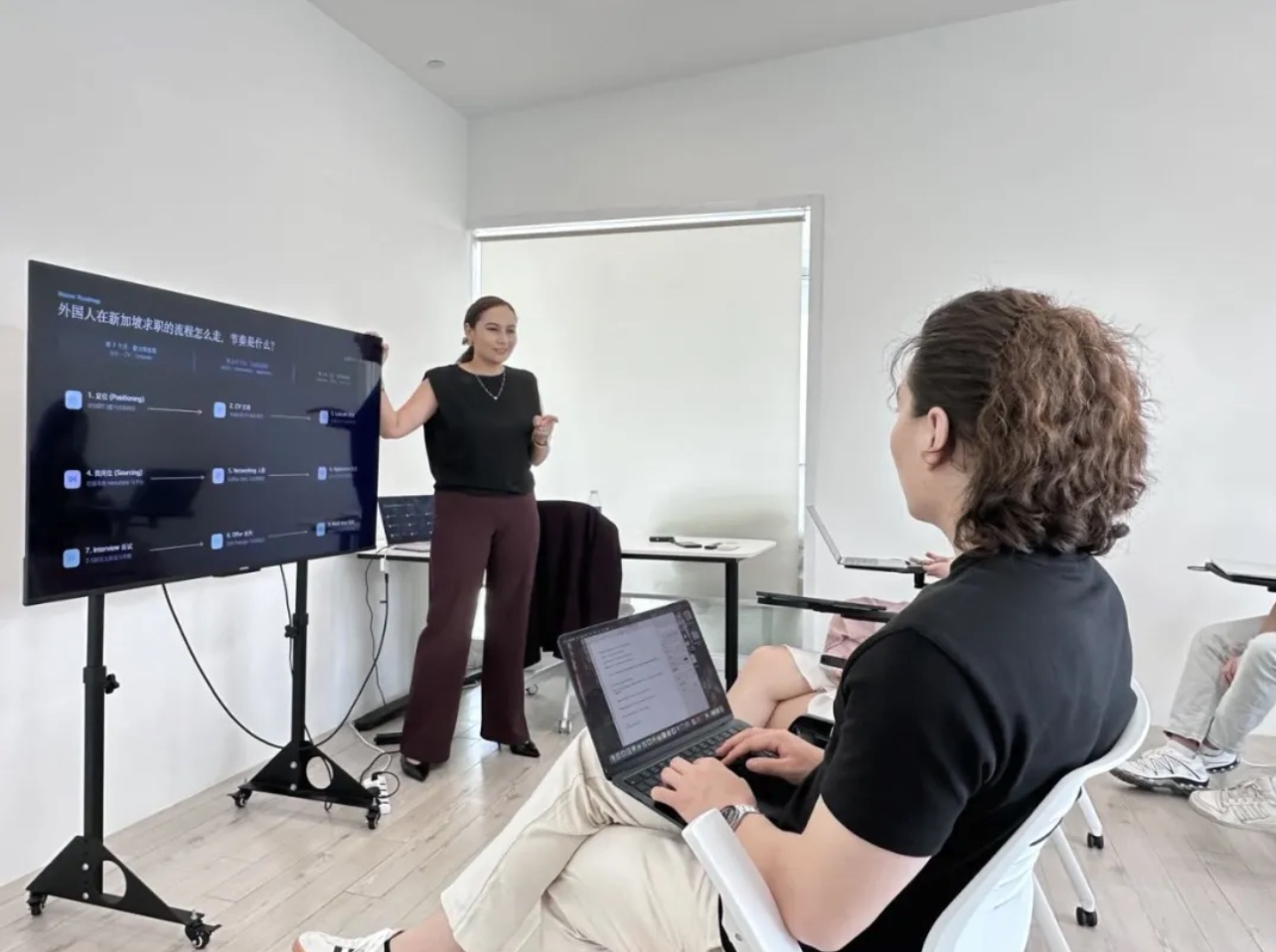
During the live workshop, students brought their own CVs for review. The mentor worked through information hierarchy, role relevance and experience framing, helping each student understand what recruiters actually look for.
A strong experience bullet should make four things clear:
What task or problem did you face?
What action did you take?
What tools or professional skills did you use?
What result did you achieve?
A CV should not simply list everything you have done.
It should show how you solve problems and what value you create.
Once their materials were improved, many students still faced the same question:
Who should I actually reach out to?
The workshop guided students through identifying relevant contacts based on industry, company, role and career path.
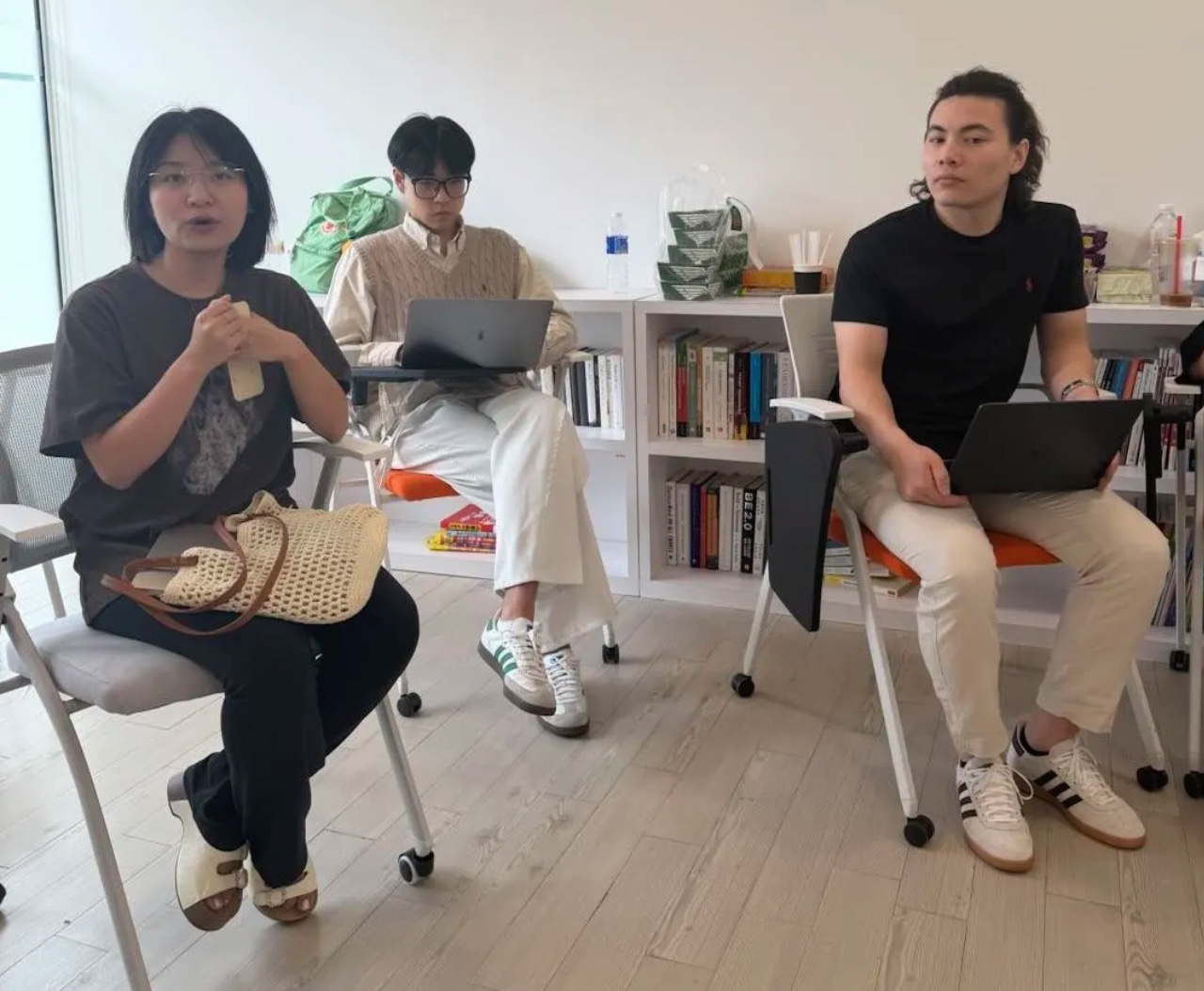
The most useful person to speak with is not always the most senior person.
Alumni with similar backgrounds, recent graduates in a target industry, or professionals only a few years ahead can often provide more practical and relevant insight.
Before sending a connection request, students were encouraged to think about:
Why am I contacting this person?
What part of their experience do I genuinely want to understand?
What do I hope to learn from the conversation?
With the right target, networking stops being about collecting contacts.
It becomes a purposeful professional conversation.
Effective networking is not about knowing more people. It is about building genuine connections with the right people.
Knowing who to contact is one thing. Starting the conversation is another.
The workshop broke Coffee Chat into a simple structure:
➭ Briefly introduce your background and why you are reaching out
➭ Ask specific questions about the other person’s experience
➭ Learn about the role, industry and skills required
➭ End politely, express thanks and stay connected
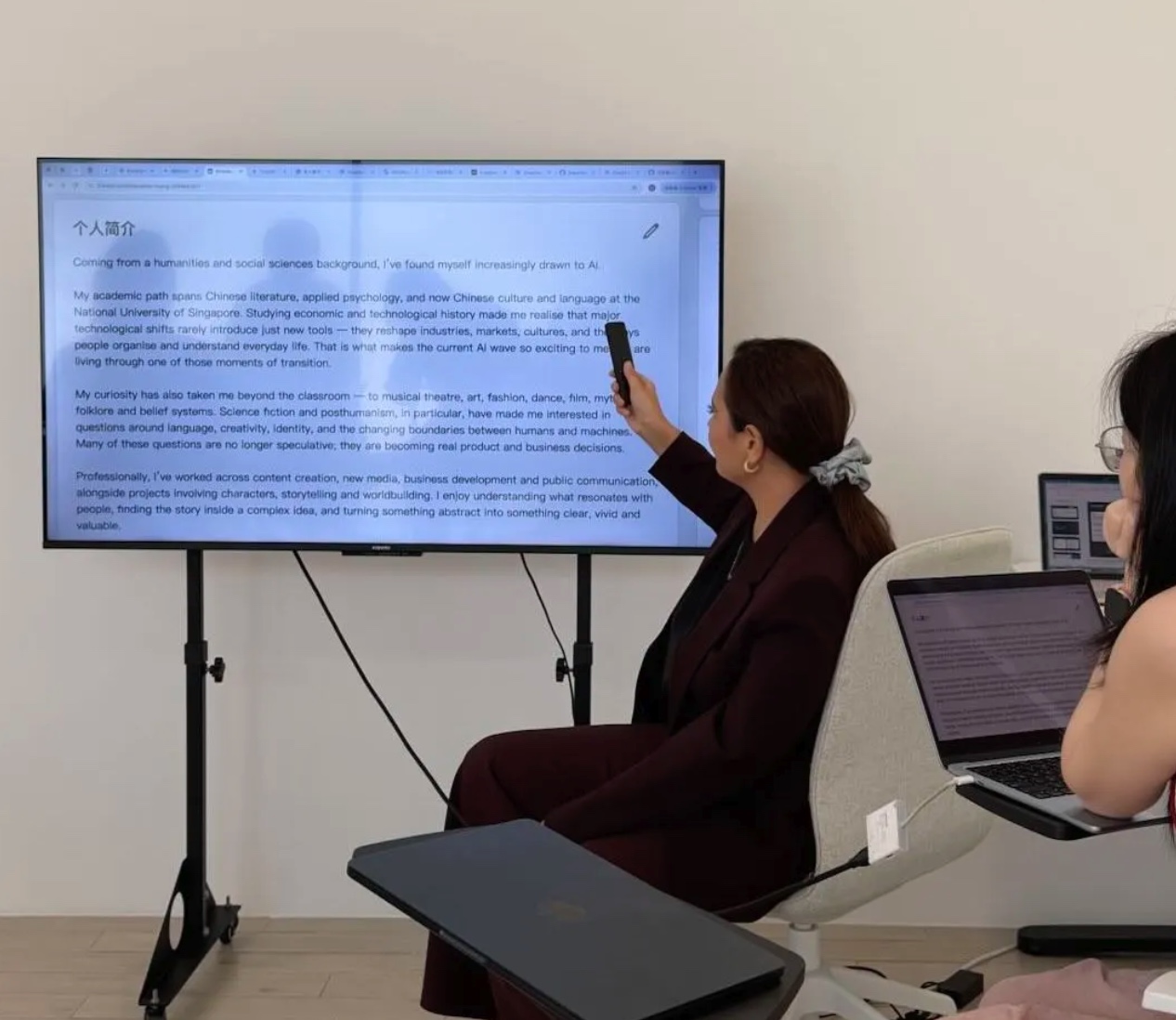
Through message-writing exercises and live role-play, students practised how to open a conversation, ask questions, respond naturally and close professionally.
The mentor then gave direct feedback based on each student’s performance.
The goal of a Coffee Chat is not to ask for a job in the first conversation.
It is to have a thoughtful, well-prepared professional exchange, gather real information, and use that insight to refine your own career decisions.
Once the first conversation becomes something students can practise, reaching out to industry professionals feels much more achievable.
The workshop was led by Sara, currently a Senior Consultant in Digital Transformation at a Big Four firm in Singapore.
She holds a Master’s degree in Accountancy from Nanyang Technological University and has experience across consulting, finance, technology research and analysis.
Drawing on this background, Sara connected market understanding, CV positioning and professional communication into one practical learning journey.
The morning moved from 2026 Singapore employment trends and insider opportunities into recruiter-style CV analysis, followed by a 30-minute live rewrite.
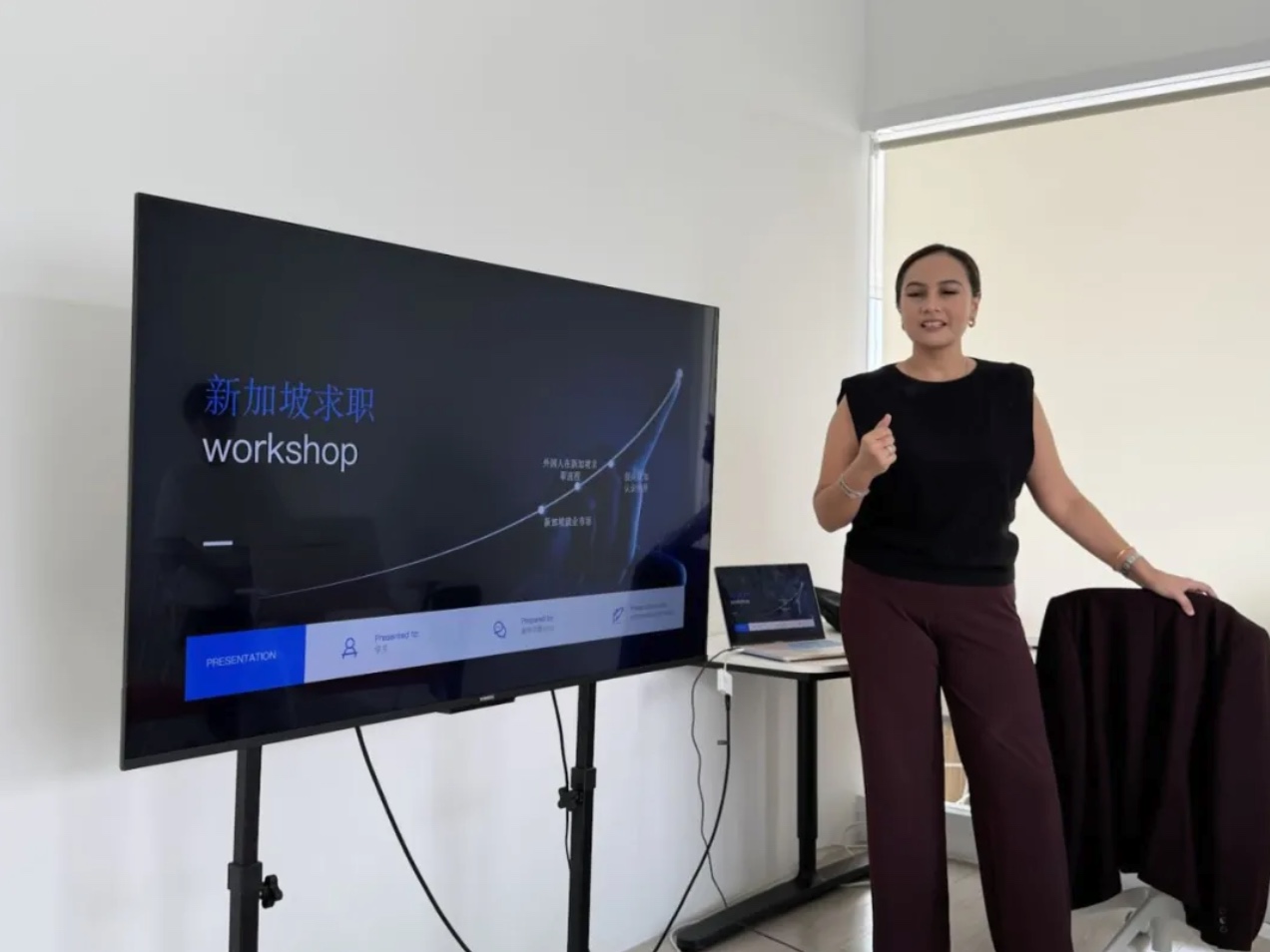
The afternoon shifted into practical job-search scenarios through:
An International Student Career Case Challenge
LinkedIn contact targeting and networking
Coffee Chat role-play
A six-month job search action plan
By the end of the session, each student left with practical materials they could continue using:
A CV diagnostic checklist
A rewritten key experience section
A ready-to-send Coffee Chat message
A method for identifying relevant LinkedIn contacts
A six-month action roadmap
Seven days of follow-up group Q&A support
The workshop was designed to move beyond general career advice and translate strategy into actions students could immediately apply to their own situation.
A mentor can provide direction, tools and feedback.
Real progress begins when students keep putting those steps into practice.