
When does an overseas study journey truly begin?


When does an overseas study journey truly begin?
Not when an offer arrives. Not even when the plane lands.
It begins when a student walks out of the airport and knows what comes next. When they step onto campus for the first time. When unfamiliar faces gradually become classmates, friends and part of a new life.
Recently, students from the Pickering Institute Overseas Learning Centre (Guangzhou) arrived in Singapore. SagePaths Group supported them across several key stages — from airport pick-up and accommodation arrangements to campus orientation and local student gatherings.
These moments may seem separate, but together they form one connected journey:
Arrive with support → Settle in with confidence → Step into campus life → Build real connections
That is what “landing support” means to SagePaths: not simply completing a handover, but helping students turn an unfamiliar city into a place where they can genuinely study, live and grow.
For a student arriving in Singapore for the first time, landing is about far more than transport.
After a long flight, luggage, directions, accommodation and next steps all arrive at once. If any part of that transition is unclear, the uncertainty of a new country can quickly feel overwhelming.
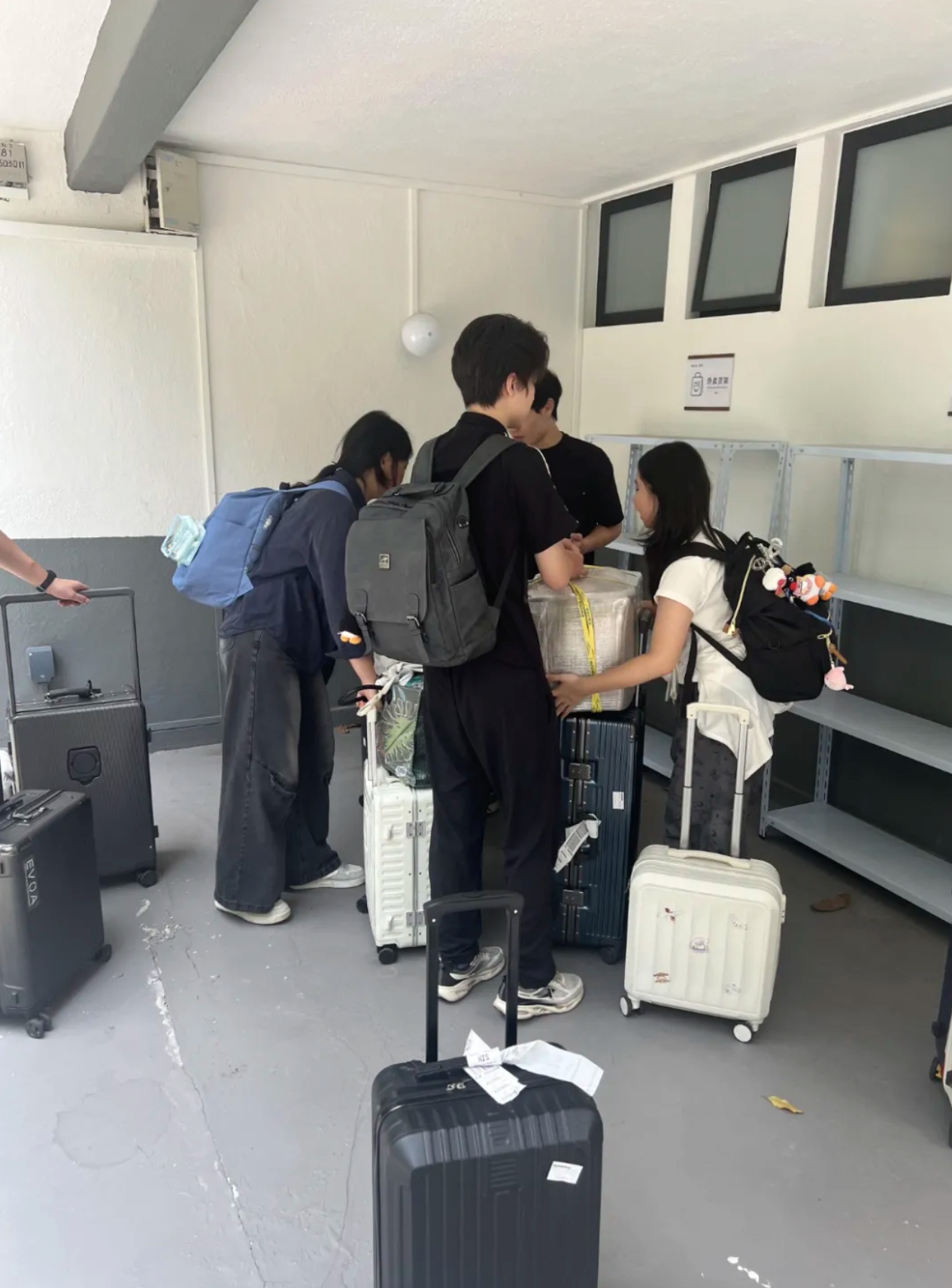
When Kaplan students arrived in Singapore, the SagePaths team met them at the airport and accompanied them to their accommodation.
The journey from the arrival hall to their new home may be short, but it marks an important transition — from simply arriving to beginning to settle in.
With someone there to guide the next step, students do not have to manage every unknown alone.
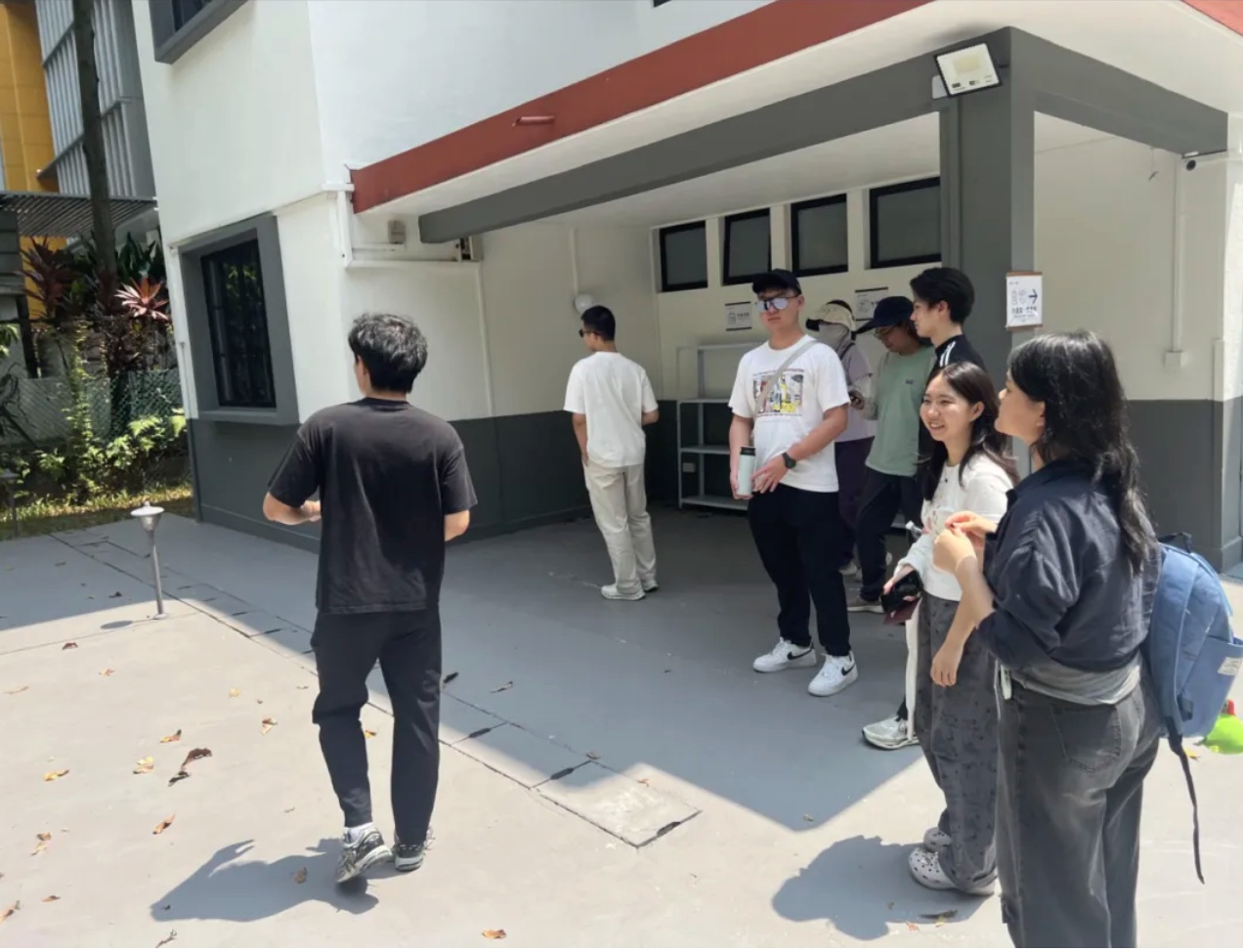
If the airport represents arrival in Singapore, walking onto campus marks the beginning of a new academic identity.
During the PSB orientation programme, students from the Pickering Institute Overseas Learning Centre (Guangzhou) began familiarising themselves with the campus, academic arrangements and their new classmates.
At this point, the school is no longer just a name on an application form.
Students begin locating classrooms, understanding campus rules, adapting to new ways of communicating and developing a clearer sense of what their studies will actually look like.
Orientation is valuable not only because it provides information, but because it answers the questions students need most in the early days:
Where do I go? What happens next? Who can I turn to when I need help?
Once those questions become clearer, uncertainty begins to turn into confidence.
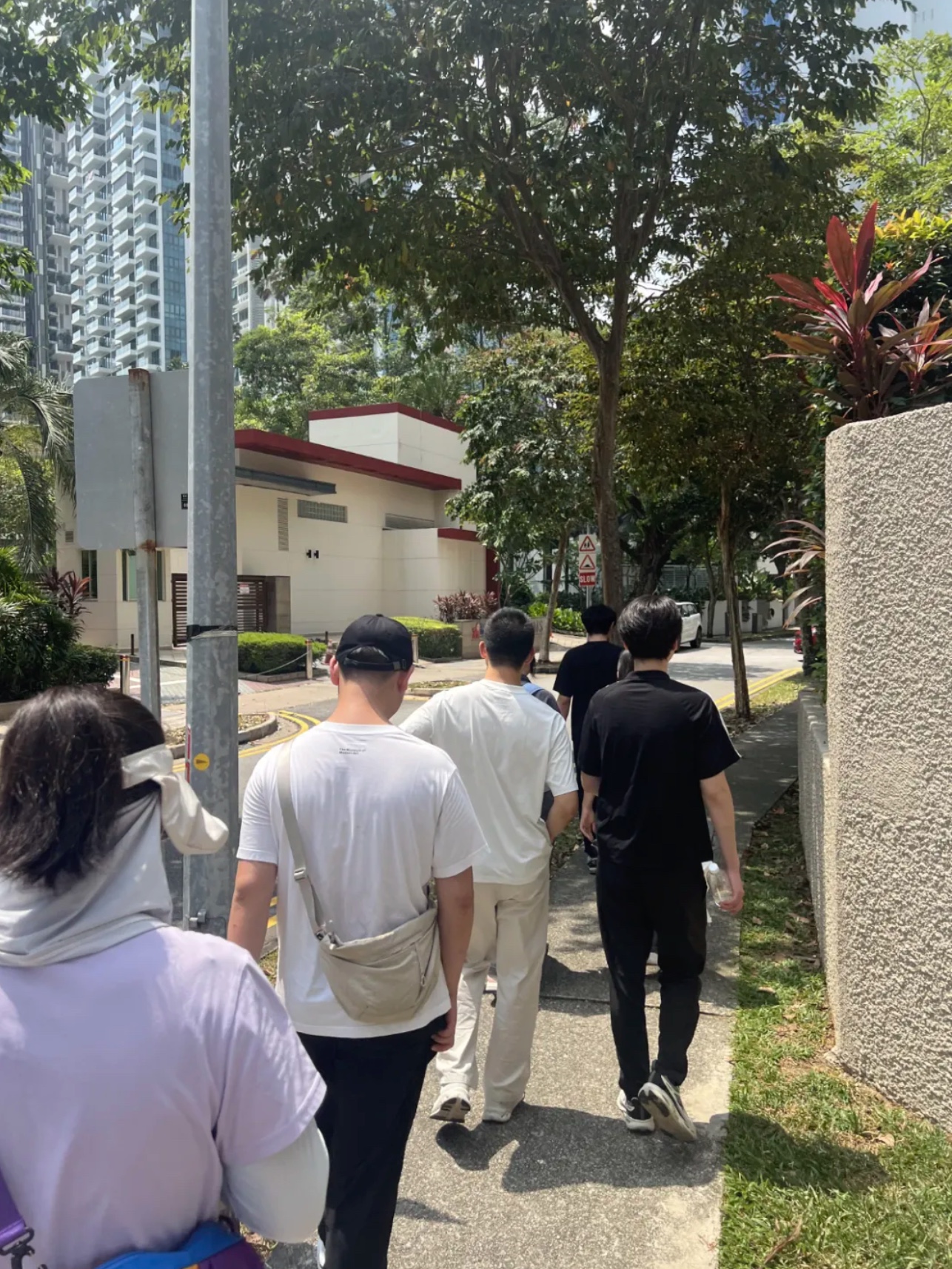
Settling into accommodation and entering campus are only part of the transition. Students also need to build real relationships.
On 20 August, foundation graduates from the Pickering Institute Overseas Learning Centre (Guangzhou) gathered in Singapore for a casual meal.
In a relaxed setting, students shared their early experiences, talked about school and daily life, and began forming connections beyond formal academic settings.
These moments may not appear on an official itinerary, but they can have a lasting impact.
When a new city begins to include people you can meet, talk to and rely on, “arrival” gradually starts to feel like “living.”

Airport pick-up, accommodation support, campus orientation and student gatherings are not isolated services.
Each one responds to a different need during the first stage of studying abroad:
➭ On arrival: clear and reliable transition support➭ After check-in: a stable living environment➭ On campus: understanding a new academic setting➭ During adaptation: building genuine peer connections
Each step helps make the next one easier.

The most demanding stage of international education often begins after departure, not before it.
Before arrival, the process is relatively structured: schools, applications, documents and offers all have clear milestones.
After arrival, the challenges become more personal and less predictable.
It may be something as simple as confirming a route, understanding a new campus, or finding a daily rhythm in an unfamiliar environment.
Supporting students through this stage requires more than application knowledge. It requires local presence, familiarity with the city and the ability to respond when real-life needs arise.
From the airport to the campus, from accommodation to local connections, SagePaths Group aims to provide that continuity on the ground in Singapore.
Not only helping students get to Singapore, but helping them gradually answer bigger questions:
How do I study here?How do I build my daily life?How do I connect with the people around me?And how do I become more independent in a new environment?
These moments capture more than a few activities.
They show students moving from the airport into campus life — and SagePaths extending its support beyond departure, into the reality of living and studying overseas.

Studying abroad is not ultimately defined by an offer letter or a plane ticket.
What matters is whether a student can settle into a new city, find their rhythm, and continue moving forward with confidence.
ROOTED IN SINGAPOREEXPANDING TO THE WORLD