
The right pathway matters far more than the biggest name


A prestigious starting point may look impressive.
But for many students, the right pathway matters far more than the biggest name.
Singapore has a well-developed international school landscape, and it is easy for families to assume that “top-tier” schools should always be the first choice.
These schools certainly offer strong teaching, excellent resources and impressive university outcomes. But they also come with very limited places, demanding admissions processes and high expectations for classroom readiness.
For students coming directly from Chinese or other local education systems, the challenge is often not academic ability.
The bigger gaps may be in:
English proficiency
Classroom participation
Independent thinking
Academic writing
Confidence in expressing ideas
Applying too aggressively before a student is ready can lead to long waiting lists, repeated document requests and unnecessary pressure.
A more effective approach is:
Understand the barriers first → Choose the right entry point → Build readiness → Progress towards the long-term target.
Admission to Singapore’s most competitive international schools can be extremely selective.
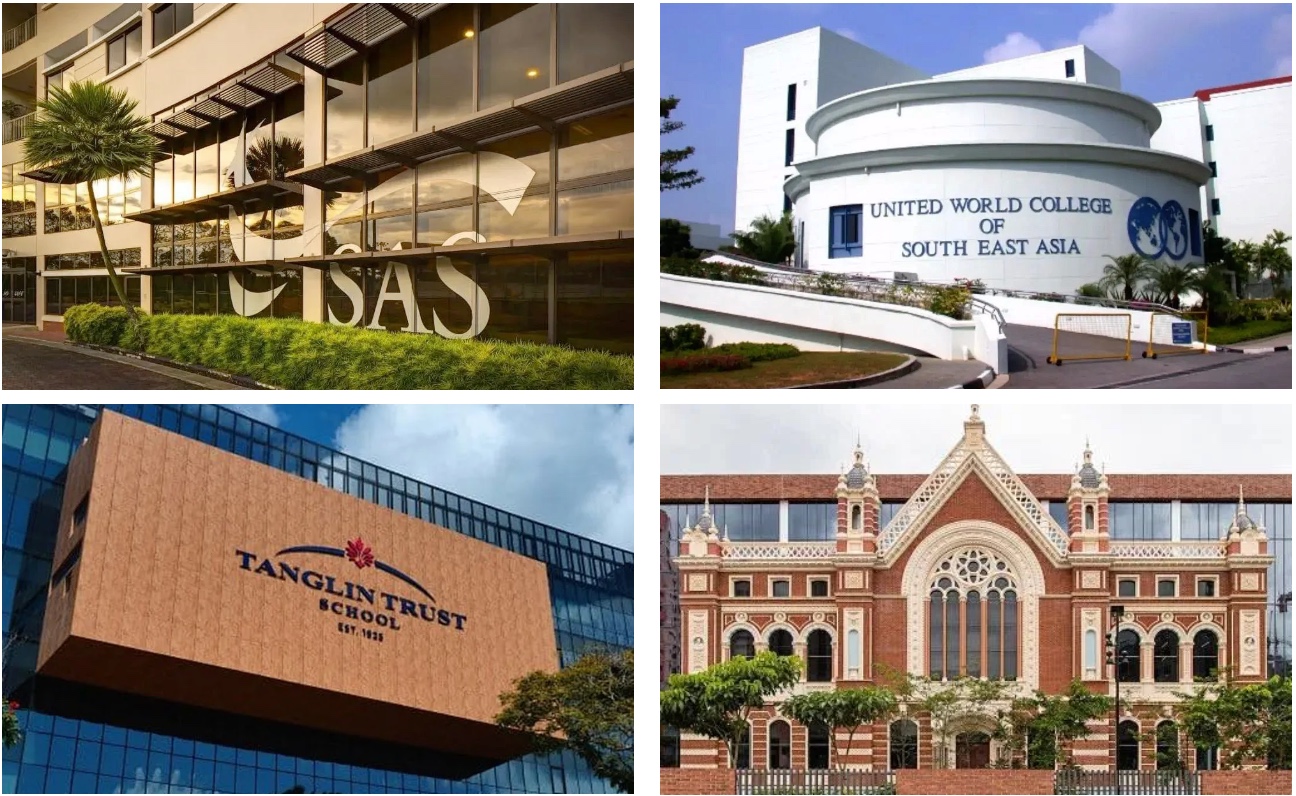
Schools such as Singapore American School (SAS), UWC South East Asia (UWCSEA), Tanglin Trust School and Dulwich College (Singapore) typically assess far more than English fluency.
Depending on the school and year group, students may face assessments involving:
Reading and writing
Interviews
Academic records
Independent thinking
Classroom participation
Broader international-school readiness
Students with previous international-school or English-medium experience may find the transition more familiar.
For students moving directly from a domestic education system, even strong academic results do not automatically mean they are ready for a fully English-speaking, inquiry-based classroom.
Before targeting highly selective schools, families should first ask:
Is the student ready for the classroom environment, not just the entrance assessment?
Language, communication and critical thinking are three of the most important areas to assess.
Some families view less selective international schools as backup options.
In reality, they can provide an important transition period for students who need time to develop English, classroom confidence and independent learning skills.
Schools with structured English as an Additional Language (EAL) support, smaller classes or more individualised learning can allow students to adapt with less pressure.
After several terms or a few years, students may be much better prepared academically and socially to consider transferring to a more selective school.
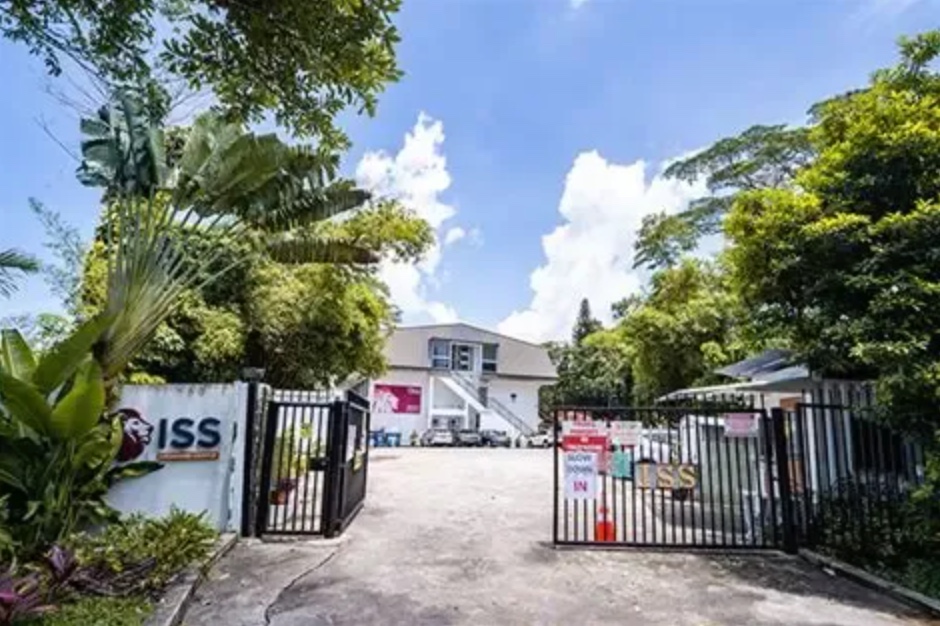
ISS is one of Singapore’s established international schools and offers the full IB continuum — PYP, MYP and DP.
Its diverse student community and personalised approach can provide an environment in which students gradually adapt to international learning.
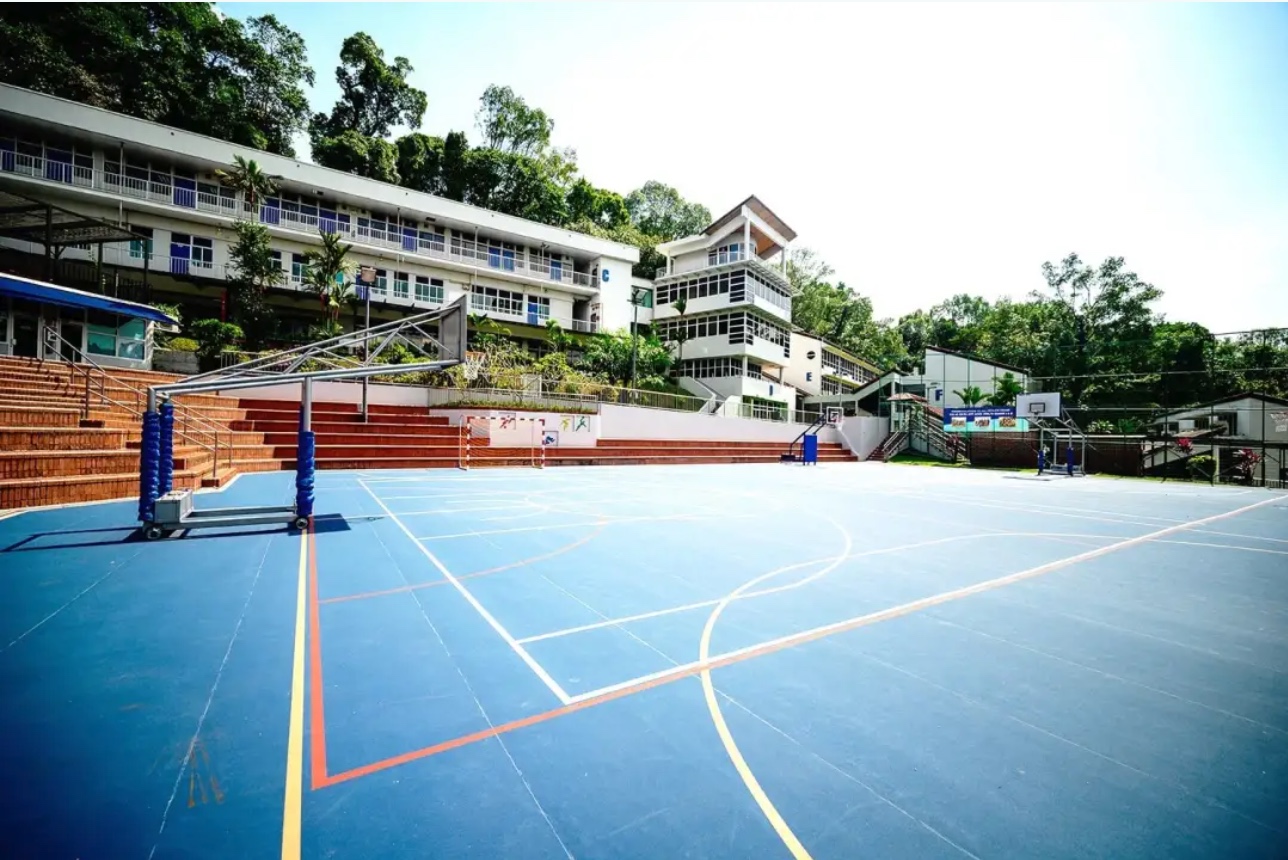
Founded in 1995, Chatsworth offers IB PYP, MYP and DP programmes and serves students from early years through secondary school.
Its international environment provides students with exposure to different cultures and learning styles.
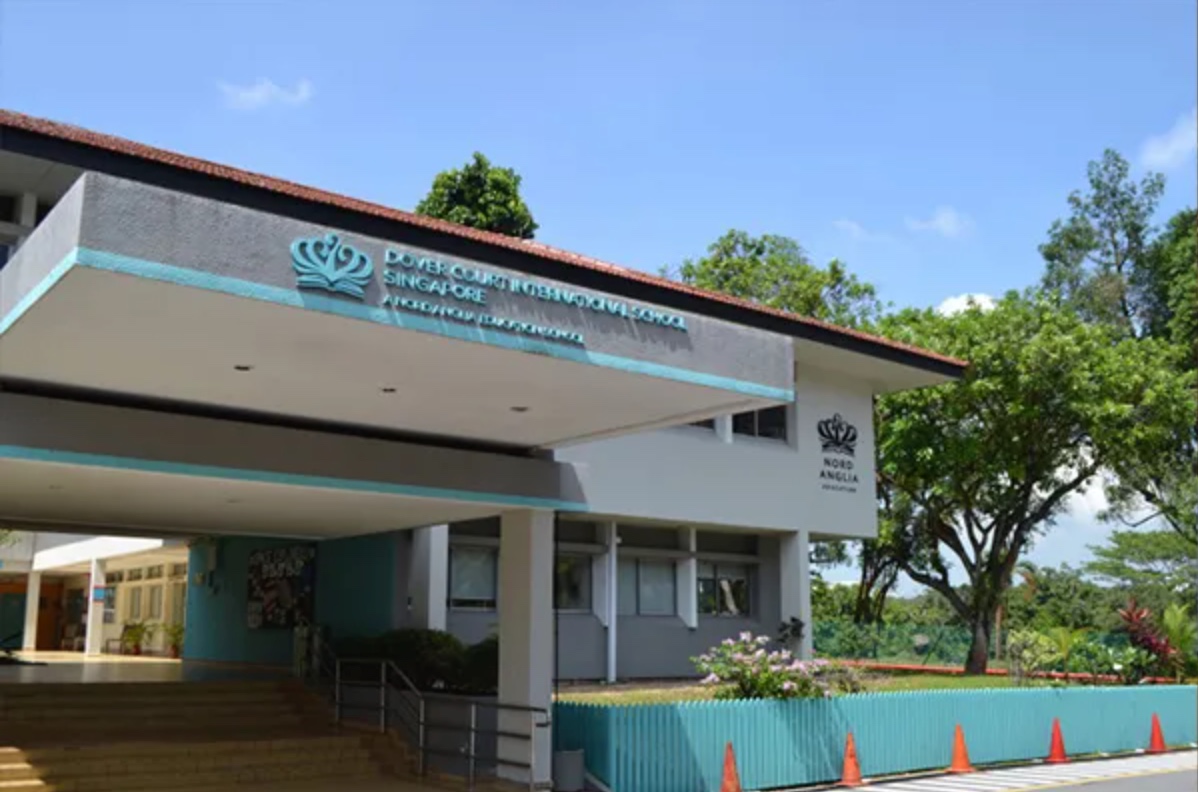
DCIS follows a British-oriented curriculum and serves students from early years through secondary education.
Its programmes include IPC, the English National Curriculum, IGCSE, IB and BTEC pathways, giving students several progression options.
SAIS combines elements of the American curriculum with IB pathways, offering education for students from early years through secondary school.
Its broad curriculum and extensive co-curricular opportunities can suit students who benefit from a flexible and activity-rich learning environment.
The key point is not that one category of school is “better” than another.
It is that students progress more successfully when the level of challenge matches their current readiness.

Financial readiness is only one part of the process.
Academic performance, English ability, interviews and school fit are usually considered before an offer is made.
A larger budget does not guarantee a place.
Submitting applications to many schools without a clear priority structure can waste time and application windows.
A stronger plan should normally include:
Target schools + realistic options + backup choices
rather than simply applying as widely as possible.
Students in highly competitive international schools are not simply “good at English”.
They are often expected to:
Speak confidently in class
Participate in discussions and debates
Write structured arguments
Complete research-based assignments
Organise projects and activities independently
For students coming from a different academic system, these skills may take time to develop.
That is why SEDC recommends completing an admissions-readiness assessment before deciding on the final school list.
Higher challenge, higher potential reward
Students with strong English and academics, particularly those already studying in an international or English-medium environment.
Begin preparations around 12 months in advance, including:
School assessments
Writing preparation
Interview practice
Recommendation letters
School reports
Relevant standardised assessments
Apply to suitable alternative schools at the same time to reduce the risk of losing an academic term.
Students with good academic potential who still need improvement in English, classroom communication or international-school adaptation.
Choose a school with strong EAL support and suitable teacher-to-student support.
Use the first 2–3 terms to strengthen:
Reading and writing
Classroom participation
English communication
Academic confidence
The student can then consider transferring once stronger school reports, teacher feedback and project experience have been established.
Students adapt under less pressure while building a stronger academic record within an international-school environment.
Students who need more structured preparation or who have already missed the main admissions window.
Complete a bridging programme combining academic English and interdisciplinary learning, while building materials such as project work and academic reports for future applications.
It creates additional preparation time while reducing the risk of an extended gap in education.
Before choosing a school, it helps to choose the right education system first.
Strong academic depth with opportunities to specialise in particular subjects.
Students with clear academic strengths and defined subject interests.
Heavy reading and writing requirements. Competitive British schools also place considerable emphasis on analytical thinking and personal expression.
Broad curriculum, extensive extracurricular activities and strong emphasis on projects and community participation.
Students who enjoy discussion, teamwork, activities and continuous participation.
Ongoing assessment plays a major role, including assignments, presentations, projects and essays. Strong self-management is essential.
Inquiry-based and interdisciplinary learning with strong emphasis on writing, research and independent thinking.
Well-rounded students with a solid English foundation.
Time management, academic writing and research-based assignments can be demanding.
Structured English-language support, smaller classes and closer individual guidance.
Students transitioning from Chinese-medium or other local education systems.
Students can build language ability and an international-school academic record before taking the next step.
Very few students move directly into their ideal school without adjustment.
For many families, a carefully planned progression route produces a better long-term outcome than chasing prestige from day one.
The goal is not simply to enter the highest-ranked school possible.It is to find a pathway the student can succeed in — and continue progressing from.
SEDC works with families and education partners across the full international-school planning journey.
Assess areas such as CEFR English level, academic thinking and interview performance to identify current strengths and gaps.
Recommend a focused shortlist of approximately 3–5 realistic schools based on the student’s profile and the family’s long-term plans, together with an application timeline.
Review and prepare materials including:
School reports
Recommendation letters
Writing samples
Supporting application documents
Coordinate target and alternative applications to reduce the risk of students being left without a suitable school placement.
Provide support across areas such as visa arrangements, accommodation, insurance and local settlement, helping families manage the transition into Singapore.
Our goal is not simply to help a student receive an offer.
It is to help them enter an education system in which they can adapt, participate and continue growing.
Schools such as UWCSEA, SAS, Tanglin Trust and Dulwich may be highly sought after.
But a successful education journey depends on more than entering a prestigious school as early as possible.
It depends on choosing a level that matches the student today — while keeping the next stage within reach.
Assess first.Choose strategically.Build readiness.Progress when the time is right.
SEDC supports families and education partners from assessment and school selection through admissions, arrival and transition, helping students build an education pathway that fits both their current ability and long-term goals.
Singapore Education Development Centre (SEDC)A trusted B2B education partner connecting education providers with opportunities and delivery support in Singapore.
Website: www.sedc.sgTel: +65 8039 9454 / +86 159 5203 2587Email: william@sedc.sg
EDUCATION FOR ALL, SUCCESS FOR EVERYONE.