
Think average students have no room to grow?

In China’s highly competitive education system, many “average” students can feel as though their future is decided by one exam after another.
➤ Secondary school streaming: around 50% of students may be diverted away from the traditional academic high school track.
➤ High school pressure: students who struggle to keep pace can quickly find themselves pushed onto a “safer” fallback route.
➤ Gaokao competition: only a tiny fraction make it into Tsinghua or Peking University, while everyone else is simply labelled “ordinary”.
Parents become anxious. Students feel overwhelmed. Yet few stop to ask whether the real problem is not effort — but the pathway itself.
In Singapore, there is another route that more families are beginning to explore, yet many parents still overlook:
👉 Enter an international undergraduate pathway directly after junior secondary school, complete a bachelor’s degree in as little as three years, begin a master’s degree at 20, and enter the workforce up to four years earlier.
This is not a “shortcut around the system”. It is a formal, internationally recognised education pathway within Singapore’s education landscape — offering flexibility, efficiency and strong value for families planning ahead.
In this article, SEDC breaks down this pathway in the clearest and most practical way possible, showing how an “average student” can build a very different academic future.
The challenge facing many “average” students in China is not a lack of ability — it is a structural problem.
The Zhongkao is not just a score line. It can become a dividing line for a student’s future.
➤ Missing out on an academic high school can mean losing access to the traditional Gaokao route.
➤ With around 50% of students streamed into vocational pathways, many are effectively classified before they have had the chance to fully develop.
In many cases, the problem is not the child — it is a system that leaves limited room for late growth.
The pace of academic high school is built for students who can handle a very demanding track. But for many hardworking, average students, the reality often looks like this:
➤ Their scores are not high enough
➤ Weaker subjects pull down the overall result
➤ Confidence drops the longer they struggle
➤ Families invest heavily, but still cannot see a clear future
Again, the issue is not always the child — it is often the structure around them.
No matter how hard a student works, once everything is reduced to scores, the outcome can feel brutally simple:
➤ Only a minority will make it into 985 or 211 universities
➤ Most students are left to accept the reality of first-tier, second-tier or vocational college options
Yet the very same student may have a completely different future in Singapore.
Enter an International Undergraduate Pathway Straight After Junior Secondary School
Junior Secondary 3
⇣
3 Years of Academic High School
⇣
Gaokao
⇣
4-Year Bachelor’s Degree
⇣
2–3-Year Master’s Degree
⌛ At least 9–11 years
Junior Secondary 3 / Senior Secondary 1
⇣
Foundation Programme(6–12 months)
⇣
International Year One(8–12 months)
⇣
Bachelor’s Degree(12–24 months)
⌛ Graduate in as little as 3 years, and complete a master’s degree by around age 20 — at least 4 years ahead of peers following the traditional route in China.
More Accessible for Average Students
Less Focus on Zhongkao or Gaokao Scores — More Focus on Fit
Singapore’s education system is not built around a single high-stakes exam. Instead, it places greater emphasis on:
➤ Learning ability
➤ English proficiency
➤ Logical thinking
➤ Subject and pathway suitability
Many students who may not stand out in China’s system find themselves learning with greater ease and confidence in Singapore — and often perform better as they progress.
Globally Recognised Qualifications
Straightforward Academic Credential Recognition in China
One of the biggest questions parents ask is:
➤ “Will a degree from a private institution be recognised?”
➤ “Will my child still be able to find a good job after returning to China?”
The answer is: Yes. Absolutely!
The partnership model between Singapore private institutions and leading international universities is a formally recognised education pathway.
Bachelor’s and master’s degrees are awarded directly by partner universities in countries such as Australia, the UK and New Zealand, and can be submitted for academic credential recognition in China.
Lower Cost Than the UK, US and Australia — Better Value for Money
A bachelor’s plus master’s degree in the UK, US or Australia can often cost RMB 1.5–3 million.
By comparison, the Singapore pathway offers:
➤ Total estimated cost of around RMB 450,000–700,000
➤ A shorter study period, with a bachelor’s degree taking only 2–3 years
➤ Earlier graduation and a shorter return-on-investment cycle
For many families, this makes Singapore one of the most cost-efficient international education pathways with lower overall costs and stronger time efficiency.
Bachelor’s at 18. Master’s at 20. Four Years Ahead of Peers.
One student supported by SEDC started out as an ordinary junior secondary school student in China — no competition awards, no “top student” profile.
But he chose the Singapore pathway.
1
Age 15
Moved to Singapore after Junior Secondary 3
2
Age 16
Entered International Year One
3
Age 17–18
Completed a bachelor’s degree in Information Technology
4
Age 19–20
Progressed directly to a master’s degree
5
Age 21
Graduated, returned to China, and joined a technology company in a data-related role
While many of his peers were still in their second year of university, he already held a master’s degree and had six months of industry experience.
That is the difference the right pathway can make.
When Is the Best Time to Come to Singapore?
Timing is one of the biggest questions parents ask.
SEDC gives you the clearest answer.
🏠 Best suited for families who:
Want to avoid the pressure of academic streaming
Prefer their child to enter an international pathway that better fits their strengths
Want to shorten the overall education timeline
Have a child with a solid academic foundation who may still struggle to stand out in a traditional academic high school
✅ Key advantages
No Zhongkao pressure
Direct progression into a Foundation Programme + International Year One
A clear pathway towards future bachelor’s and master’s study
A healthier learning experience without being defined entirely by exam scores
🏠 Best suited for families who:
Have a child with average or weaker academic results
Find that the child struggles to adapt to an exam-driven system
Want to improve future academic progression
Hope to access stronger career pathways in areas such as business, computing or media
✅ Key advantages
Potential direct entry into International Year One without a Foundation Programme
Complete a bachelor’s degree in around 2–2.5 years
No need to sit the Gaokao
A more flexible route towards master’s programmes at globally ranked universities
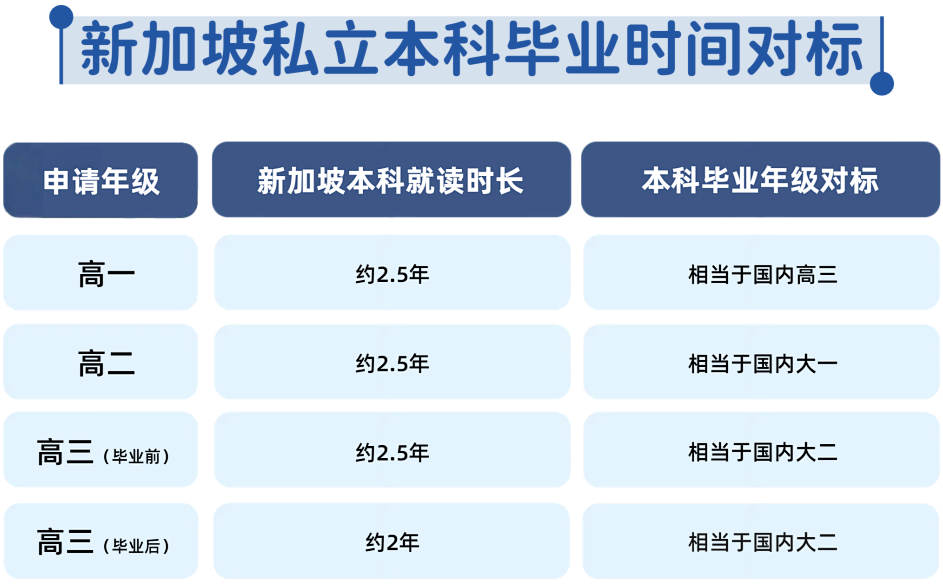
* Programme duration may vary slightly depending on the institution and field of study.
* Singapore undergraduate programmes generally do not have long winter or summer breaks. With around 3–4 academic terms per year, the overall teaching time is broadly comparable to that in China.
Many parents’ first reaction is:
➤ “Are private institutions less legitimate?”
➤ “Are they automatically worse than public universities?”
That assumption may make sense in the Chinese context.
But in Singapore, it is a completely different story.
Bachelor’s and master’s degrees are awarded directly by the partner universities, rather than by the private institutions themselves.
For example:
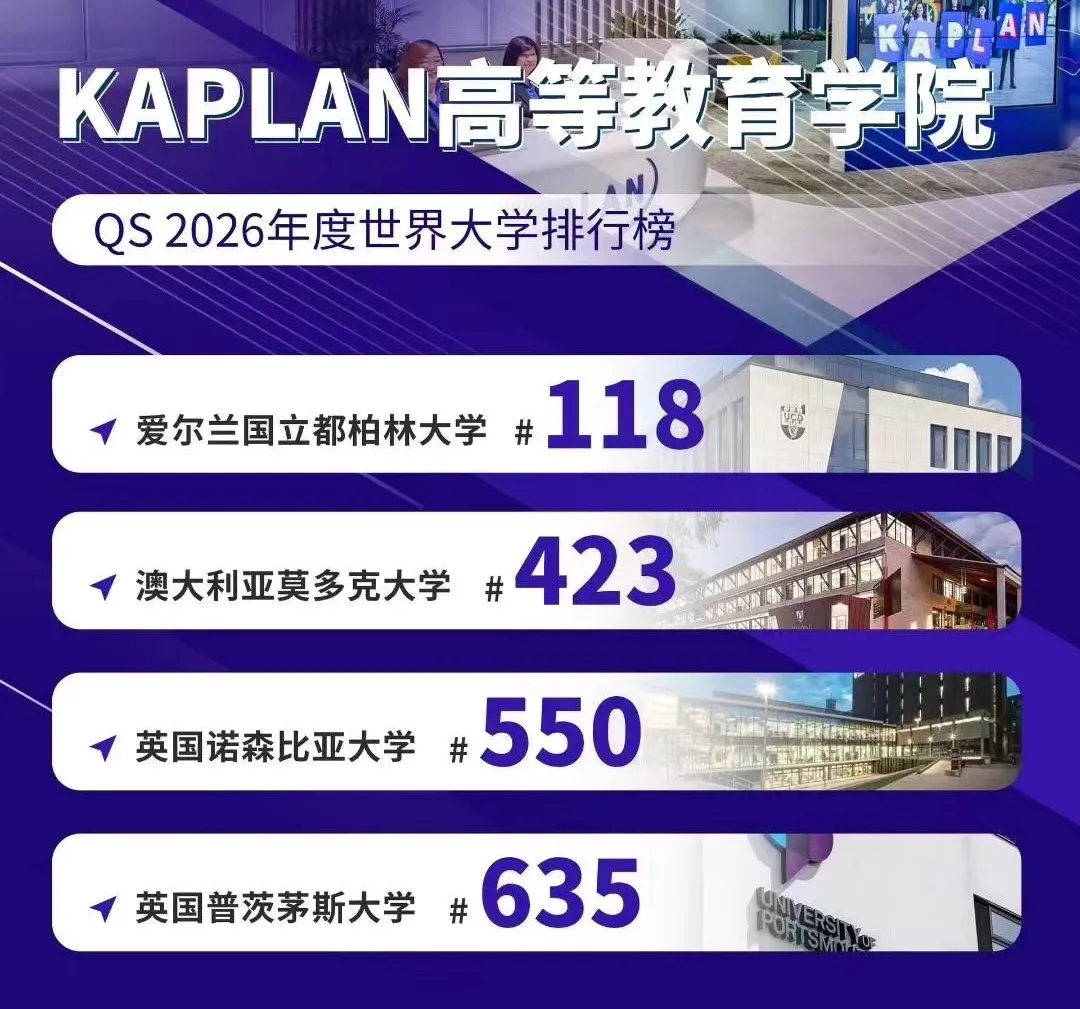
University College Dublin, Ireland — 2026 QS #118
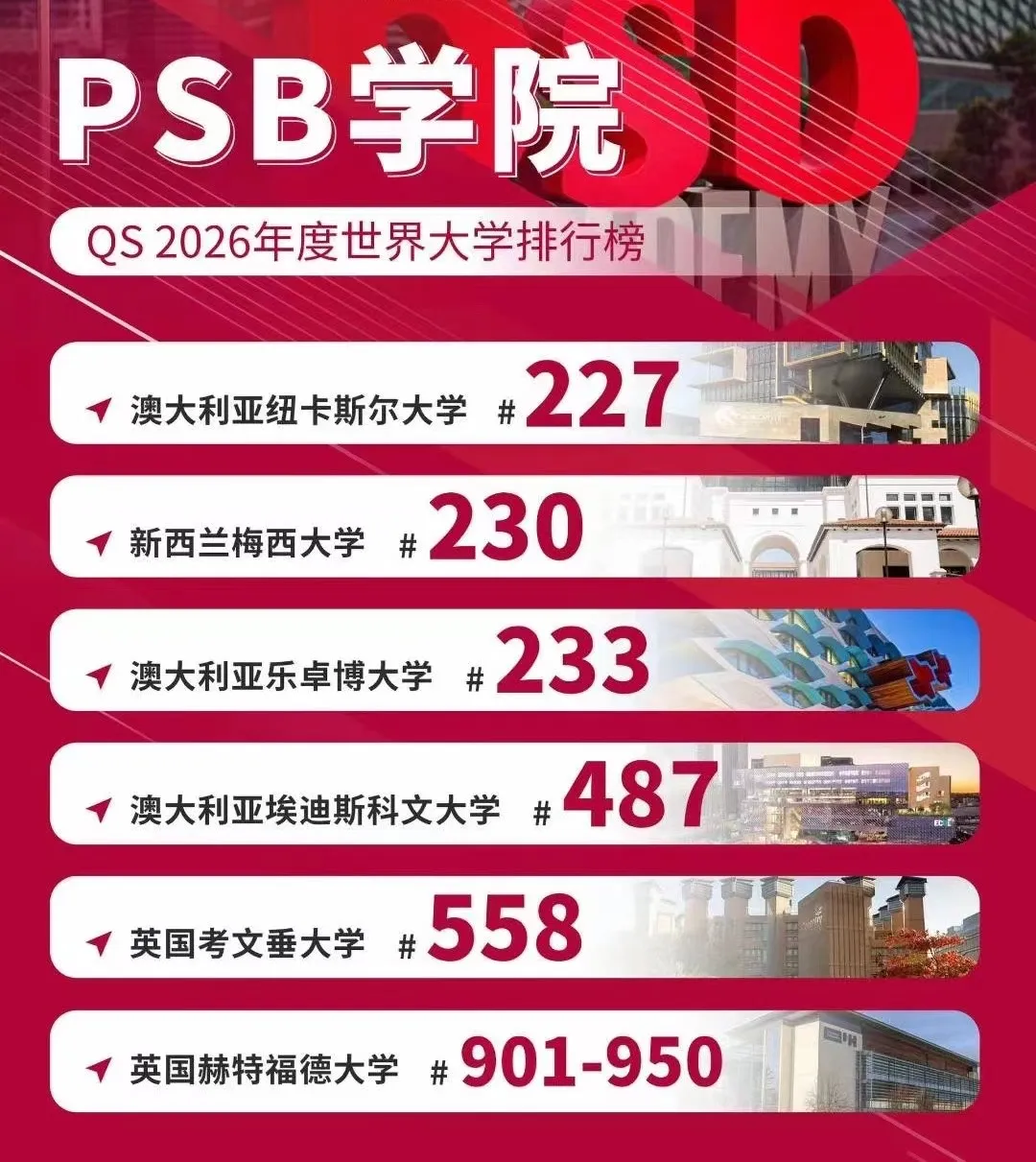
University of Newcastle, Australia — 2026 QS #227
Massey University, New Zealand — 2026 QS #230
…and more.
Structured Management, Fast-Paced Programmes
Singapore’s private education sector operates under the oversight of:
Ministry of Education (MOE)
+
Committee for Private Education (CPE)
Programmes are typically intensive, fast-paced and highly efficient, allowing students to progress through their studies within a more compact academic timeline.
Strong Career Focus with Extensive Internship Opportunities
These pathways are especially suitable for students looking to build careers in areas such as:
Business
Media & Communications
Computing & Data
Engineering
Often recognised for its strong focus on applied learning and industry relevance, PSB Academy offers programmes designed around practical skills and real-world career needs.
Its key areas of study include:
Engineering
Computing
Business
Media & Communications
Life Sciences
Key Highlights
Career-Focused / Strong in Engineering & Technology / Central Location
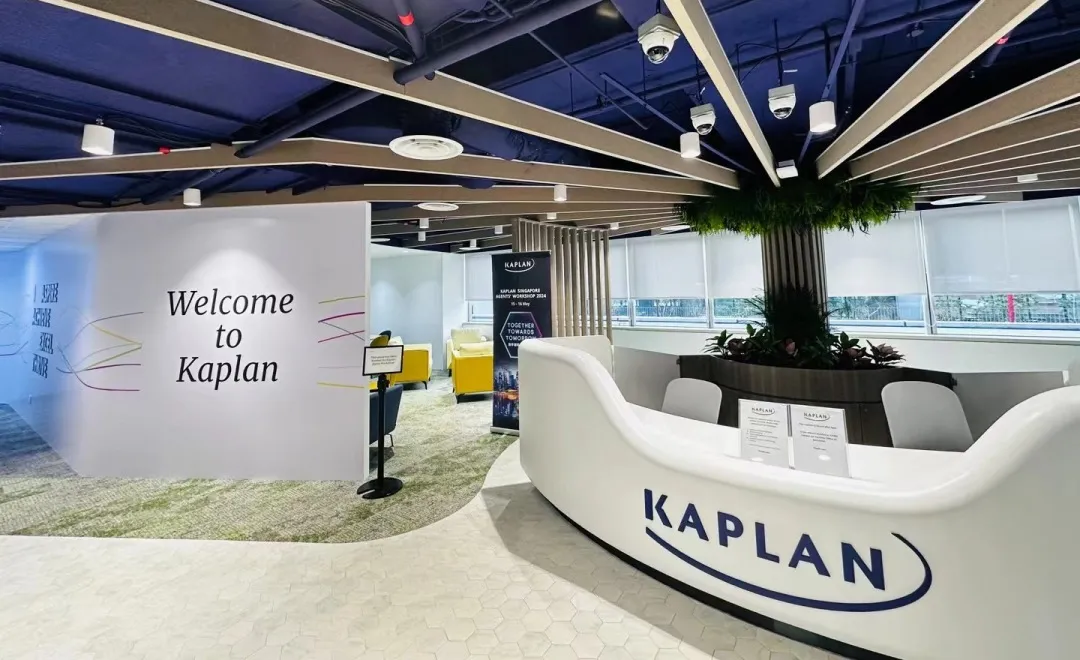
KAPLAN
Kaplan Higher Education Academy is part of one of the world’s leading education providers. As an award-winning private education institution in Singapore, it is associated with programmes carrying the three major global business school accreditations — AACSB, AMBA and EQUIS — and is also well known for its fast-paced and highly efficient academic pathways.
Key Highlights
High Efficiency / Fast-Track Progression / Strong Academic Pathways
6
➤ Repeatedly lose confidence in the traditional system
➤ Get labelled as “average” or “unable to stand out”
➤ Become more anxious the harder they try — until the pressure starts to take over
But once they move into a Singapore pathway:
➤ The pace becomes more manageable
➤ Ability matters more than a single score
➤ Academic progression becomes clearer
➤ Competition feels less overwhelming
➤ And many students begin to perform better
That is why we have always believed:
Average students are not without potential. They may simply not have been placed in the education system that allows them to thrive.
SEDC therefore provides a practical, end-to-end pathway for students at different ages and ability levels:
① Student Ability Assessment
② Education Pathway Planning
Different strategies for junior secondary and senior secondary students
③ Institution & Major Selection
④ Time & Cost Planning
⑤ Risk Assessment & Suitability Evaluation
⑥ Bachelor’s → Master’s → Career Pathway Design
Ultimately, all of these services point to one goal:
Helping every student enter a pathway that truly fits — one where they can build on their strengths and see a clearer future ahead.
Average students are not incapable of succeeding. They simply should not be expected to succeed through a system that does not suit them.
Singapore’s undergraduate pathway gives many students the opportunity to access:
➤ A shorter study timeline
➤ Lower academic pressure
➤ Stronger value for money
➤ More sustainable long-term progression
➤ A clearer international Bachelor’s + Master’s pathway
With our professional judgement, admissions experience and pathway-planning expertise, SEDC helps each student find the most suitable, efficient and future-focused education route — without wasting valuable time.
Is this pathway right for your child? What preparation is needed? When is the best time to make the move?
Connect with an SEDC education consultant via WeChat at the end of this article for a personalised pathway assessment.